
Art Program
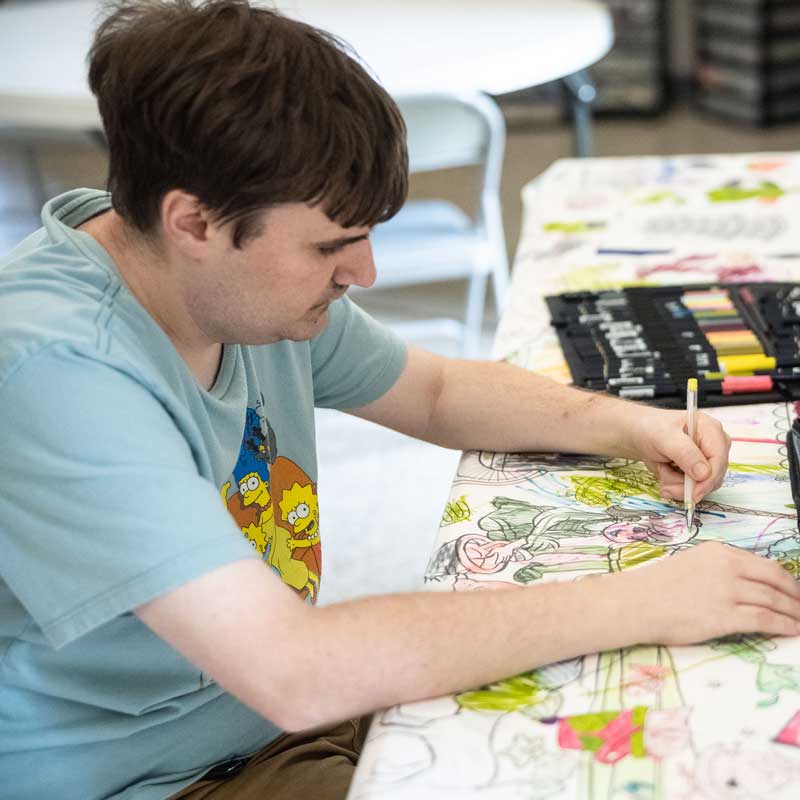
Our inclusive Art Program offers a welcoming space to explore creativity, build skills, and connect with others. Participants experiment with a wide range of materials and techniques—like painting, drawing, sculpture, and digital art—using adaptive tools tailored to their individual needs. Guided instruction and gentle art-therapy–informed activities support emotional expression, confidence, and personal growth. Collaborative projects, workshops with guest artists, and opportunities to exhibit artwork help participants feel seen, celebrated, and part of a creative community.
Gardening Program
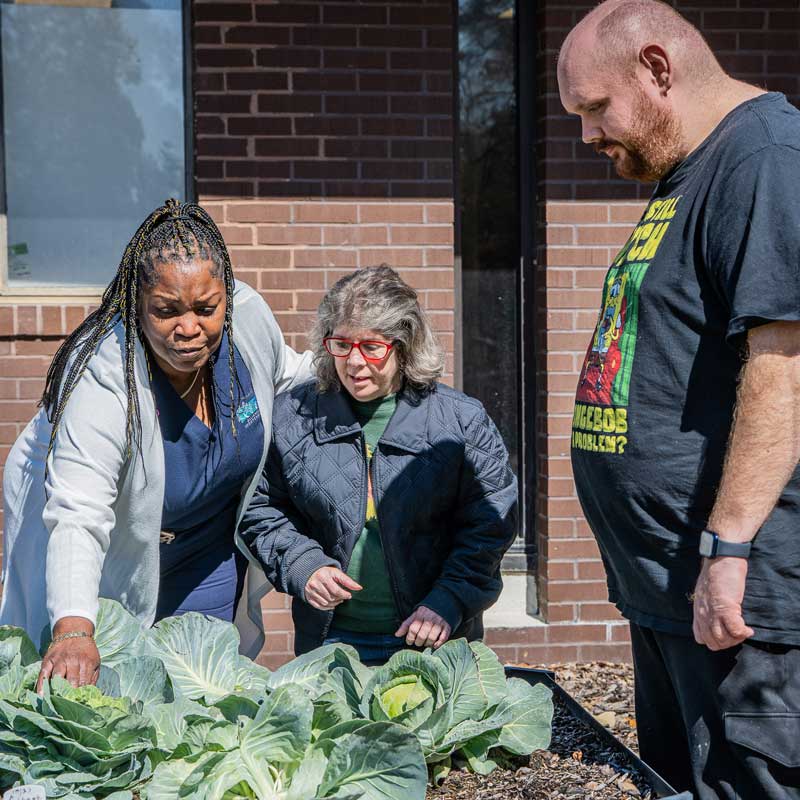
Our Gardening Program invites participants to connect with nature, build new skills, and enjoy time outdoors. Participants help plan, plant, and care for the garden using adapted tools and accessible beds designed for a range of abilities. Along the way, they learn horticulture basics, explore sensory-rich plants and textures, and experience the calming, therapeutic benefits of working with soil and growing things. Harvesting, simple cooking activities, garden-themed crafts, and opportunities to share the garden with the community all help foster pride, independence, and meaningful social connections.
Healthy Lifestyles Program
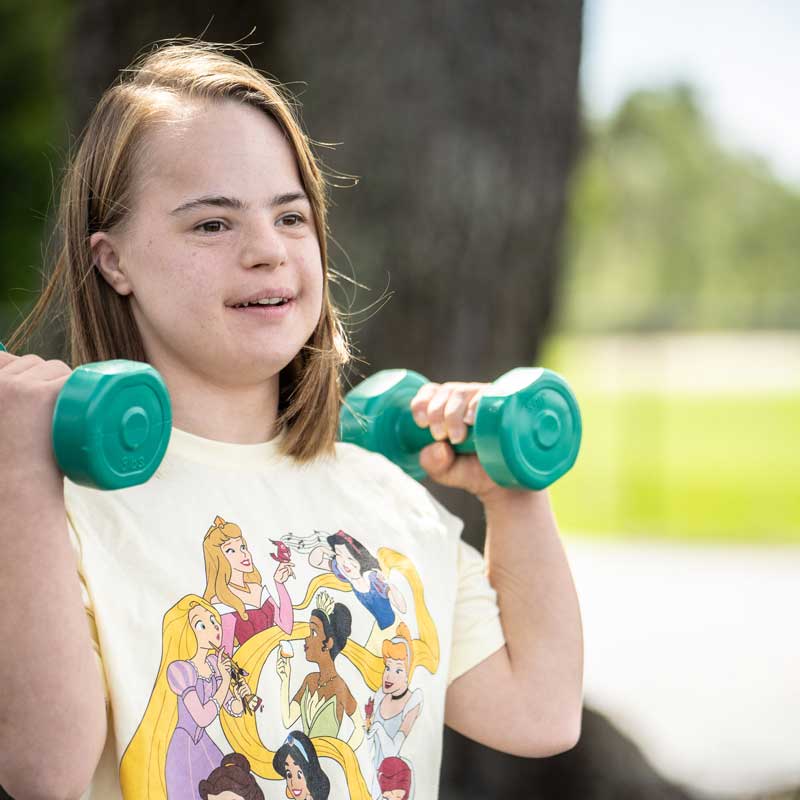
Our Healthy Lifestyles Program, in partnership with United Way, empowers participants to build lasting habits that support their physical, mental, and emotional well-being. Through accessible fitness activities, nutrition education, and wellness workshops, individuals learn practical skills they can use in daily life. The program also incorporates stress management, social connection, and self-care routines to promote confidence and independence. With goal setting, progress tracking, and collaboration with healthcare professionals, participants are supported every step of the way toward a healthier, more fulfilling life.
Life Skills Hub Program
Our Life Skills Program helps participants build everyday skills that support greater independence at home and in the community. Through hands-on practice with personal care, cooking, home management, and money skills, individuals gain confidence in managing their daily routines. The program also focuses on communication, decision-making, problem-solving, and self-advocacy so participants can better express their needs and make informed choices. Training in time management, transportation, and adaptive technology further supports self-sufficiency and access to community life. Overall, the Life Skills Program is designed to empower each person to grow, succeed, and live as independently as possible.